HowArchitectureShapesEverydayLife
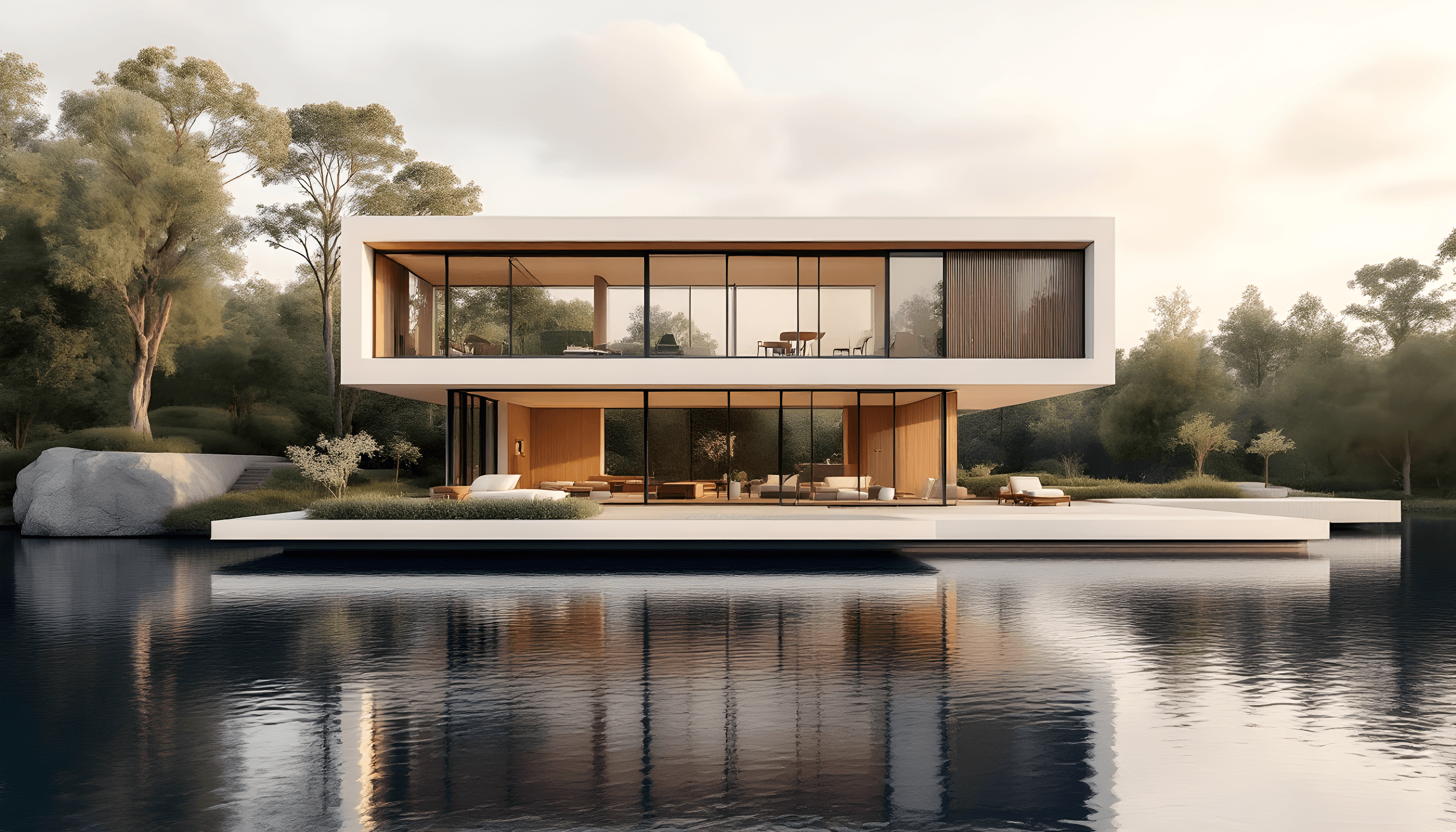
Architectureisnotonlyaboutform,aesthetics,orvisualimpact.Itisaquietfoundationofeverydaylife—shapinghowwemovethroughspace,howwefeelathome,andhowdailyroutinesunfold.
Architecture as a Framework for Daily Living
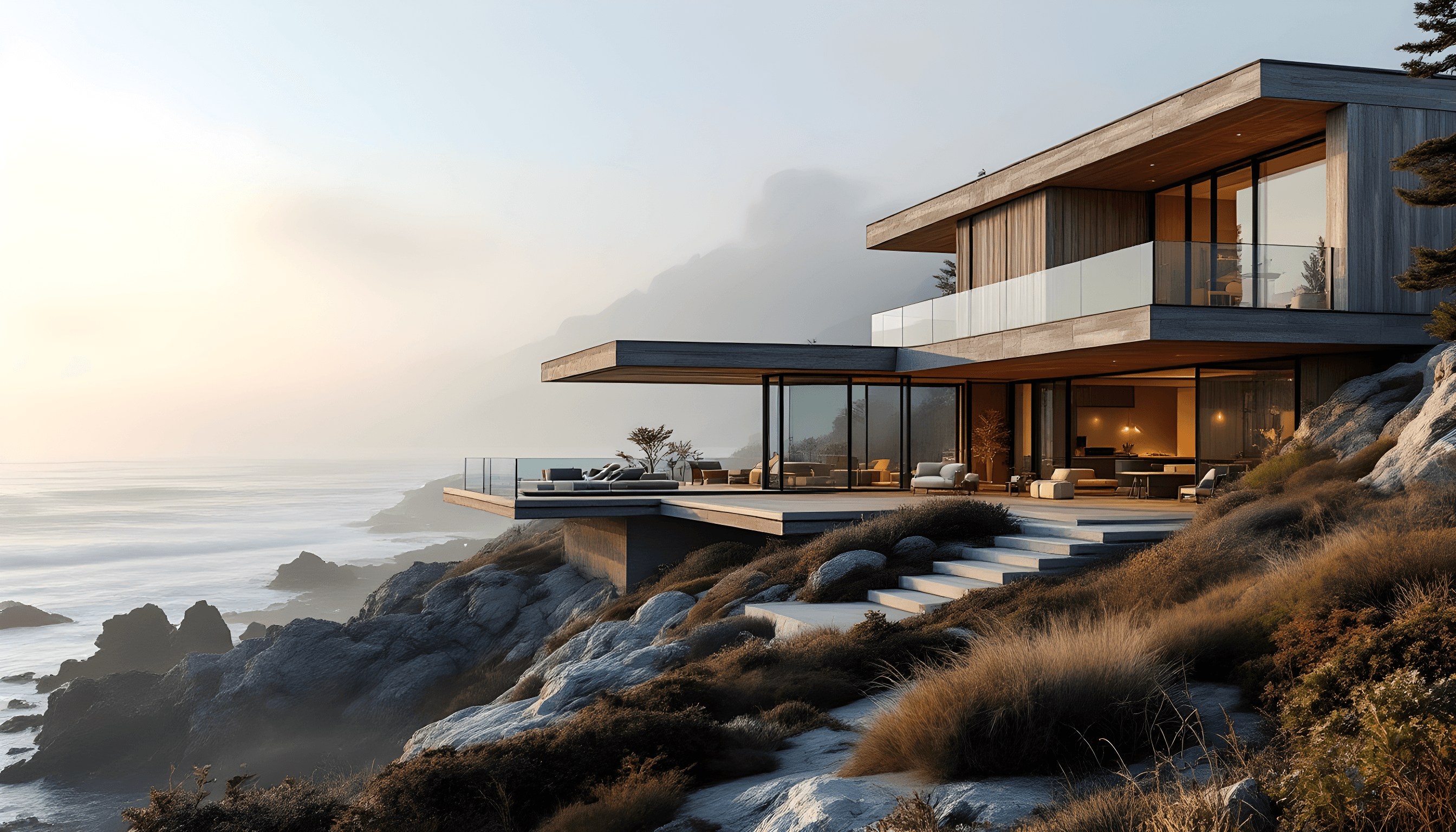
Everyday life is made up of small, repetitive moments: waking up, moving through the house, preparing meals, resting, working, and gathering with others. Architecture provides the framework in which these moments take place.
Thoughtful design considers how spaces connect, how light changes throughout the day, and how proportions influence comfort. When these elements are carefully aligned, daily activities become easier and more fluid.
The Importance of Light and Spatial Rhythm
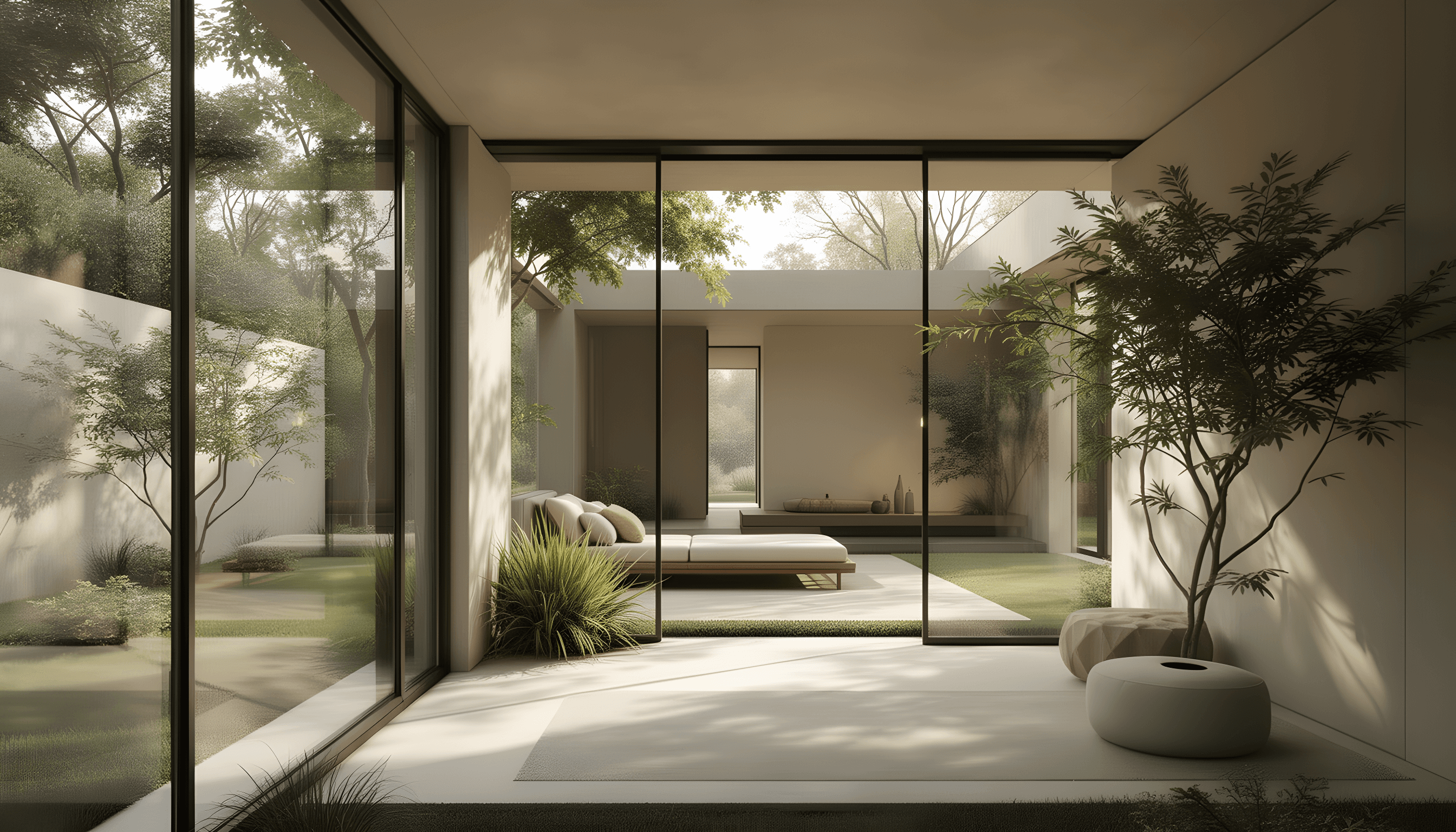
Natural light is one of the most influential elements in architectural design. It shapes not only the visual quality of a space, but also comfort, mood, and the way interiors are experienced throughout the day. The movement of light — changing with time and seasons — introduces a natural rhythm that supports everyday living.
When designing a space, architects carefully consider building orientation, window proportions, and the relationship between interior and exterior. Morning light can encourage activity and focus, while softer afternoon and evening light helps create a sense of calm. Thoughtful architecture uses these transitions intentionally rather than treating light as a purely technical requirement.
Spatial rhythm emerges from the sequence of rooms, their scale, height, and connections. It defines how easily one moves through a space and how intuitive it feels to use. When light and spatial rhythm are aligned, architecture feels effortless — not because it draws attention to itself, but because it supports life in a quiet and natural way.
Proportion, Scale and Human Comfort
Proportion is one of the most subtle yet powerful tools in architecture. It determines whether a space feels calm and balanced or overwhelming and uncomfortable. A well‑designed interior does not need to be large or visually striking — it needs to relate naturally to the human body.
Ceiling heights, circulation widths, and the relationship between built elements and empty space directly affect how a place is used and experienced. When proportions are right, the space feels intuitive and easy to navigate without conscious effort.
Designing with human scale in mind creates environments that support everyday life quietly and effectively. These spaces remain comfortable and relevant over time, regardless of changing styles or trends.
Materials That Support Everyday Use
Materials in architecture are more than surface finishes. They define how a space is experienced daily — through touch, sound, and the way they age over time. Carefully selected materials create a sense of calm and quality without relying on visual excess.
Beyond appearance, durability and everyday performance are essential. Materials that respond well to daily use allow interiors to maintain their character for years. Architecture built on these choices remains relevant and authentic long after initial completion.
Timeless Design Over Temporary Trends
Architecture driven by trends tends to age quickly. What feels current today may appear unnecessary or overwhelming in just a few years. For this reason, meaningful design focuses on context, function, and proportion rather than temporary stylistic impulses.
Timeless interiors are not neutral or lacking in character. Their strength lies in clear, consistent design decisions that allow spaces to evolve naturally over time. This approach creates environments that remain relevant and comfortable without the need for constant reinvention.
See other posts