Architecturethatsavesenergy
Sustainablearchitecturecombinesaestheticswithresponsibility,creatingbuildingsthatuselessenergy,fewerresources,andremaininharmonywiththeirsurroundings.
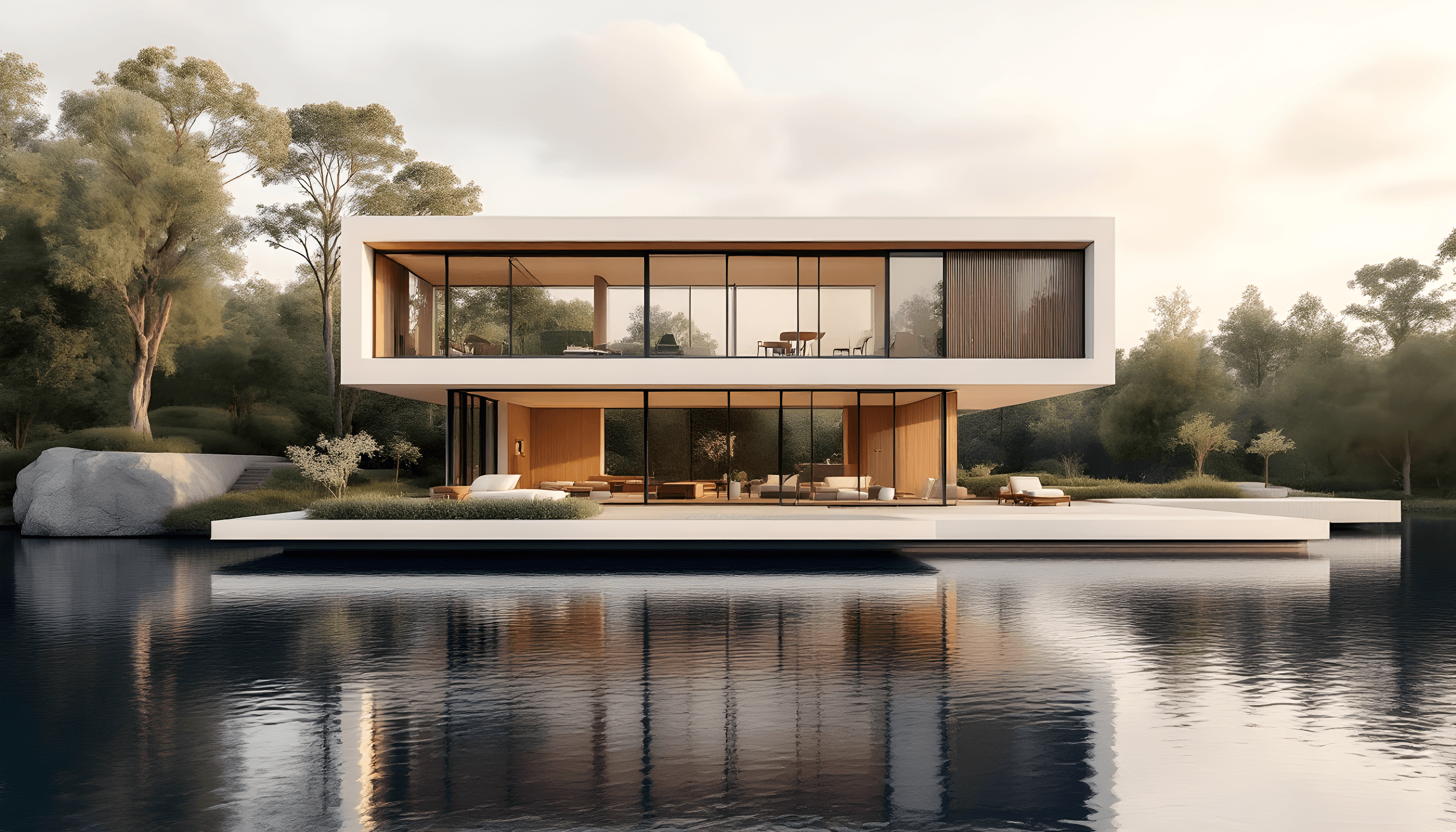
Designing with Respect for the Environment
Sustainable architecture focuses on solutions that minimize the building’s impact on nature. This includes conscious shaping of form, the use of ecological materials, and taking advantage of natural conditions such as wind direction or sunlight. Every stage of the project — from concept to construction — follows the principles of reducing carbon footprint and improving energy efficiency. As a result, buildings become friendly both to users and the planet.
Renewable Energy in Architecture
Modern architectural projects integrate renewable energy sources such as photovoltaic panels, heat pumps, and ventilation heat recovery systems. These solutions significantly reduce conventional energy consumption and lower operational costs. Architects also use energy storage technologies that ensure stable and safe system performance. Contemporary buildings are becoming energy‑self‑sufficient, making their use more responsible.
A Material that Respects Nature
In sustainable design, materials with low environmental impact play a crucial role — structural timber, clay, low‑carbon concrete, and recycled elements. Proper material selection influences the indoor microclimate and allows the creation of healthy, natural, and durable spaces. Sustainable architecture is not only about being ecological but also about longevity. A material should not only be “green” but also perform well over time without frequent replacement.
Architecture Responsive to Its Environment
Contemporary architecture increasingly uses intelligent systems that adapt buildings to changing external conditions. Automated shading, temperature control systems, and dynamic energy management help maintain user comfort while minimizing energy losses. This is a modern symbiosis of technology and nature, where the building becomes a partner to the environment rather than a burden.
Sustainable Architecture as the Future of Cities
Cities around the world are undergoing a transformation toward low‑emission development. New design standards, green roofs, vertical gardens, and water‑retention systems are becoming not just trends but necessities. Sustainable architecture helps create spaces that improve air quality, reduce noise, and introduce more greenery into the urban fabric. It is a key direction for future generations and a foundation for modern, responsible urbanism.
See other posts