HowDetailsCreateQuality
Calminteriorsarebuiltthroughdetails:precisejunctions,materialsthatagewell,andsolutionsthatreducedistractionandsupporteverydaylife.
A calm you almost don’t notice
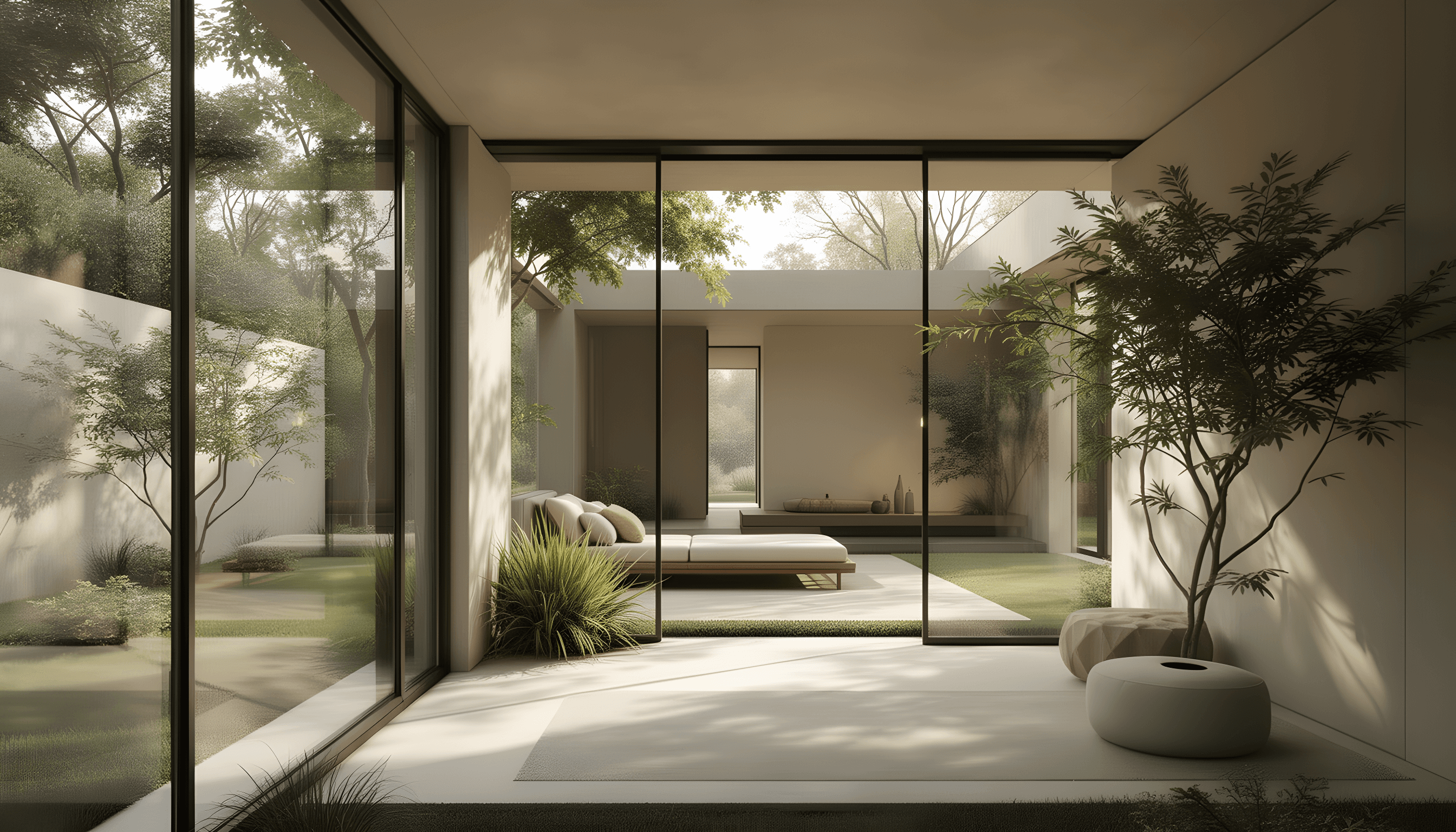
Calm architecture doesn’t come only from a good plan, balanced proportions, or generous daylight. Very often it’s the result of something quieter: how elements meet, how edges finish, how doors move, and how materials behave after years of use. Details decide whether a space relaxes you — or slowly drains your attention.
Junctions that don’t need to be the hero
A strong detail isn’t decoration. It’s a decision that makes a space readable and effortless. When connections are consistent and lines are carried with logic, the eye stops catching on “broken” moments. You don’t need to interpret the interior — you simply live in it.
Light reveals the truth of materials
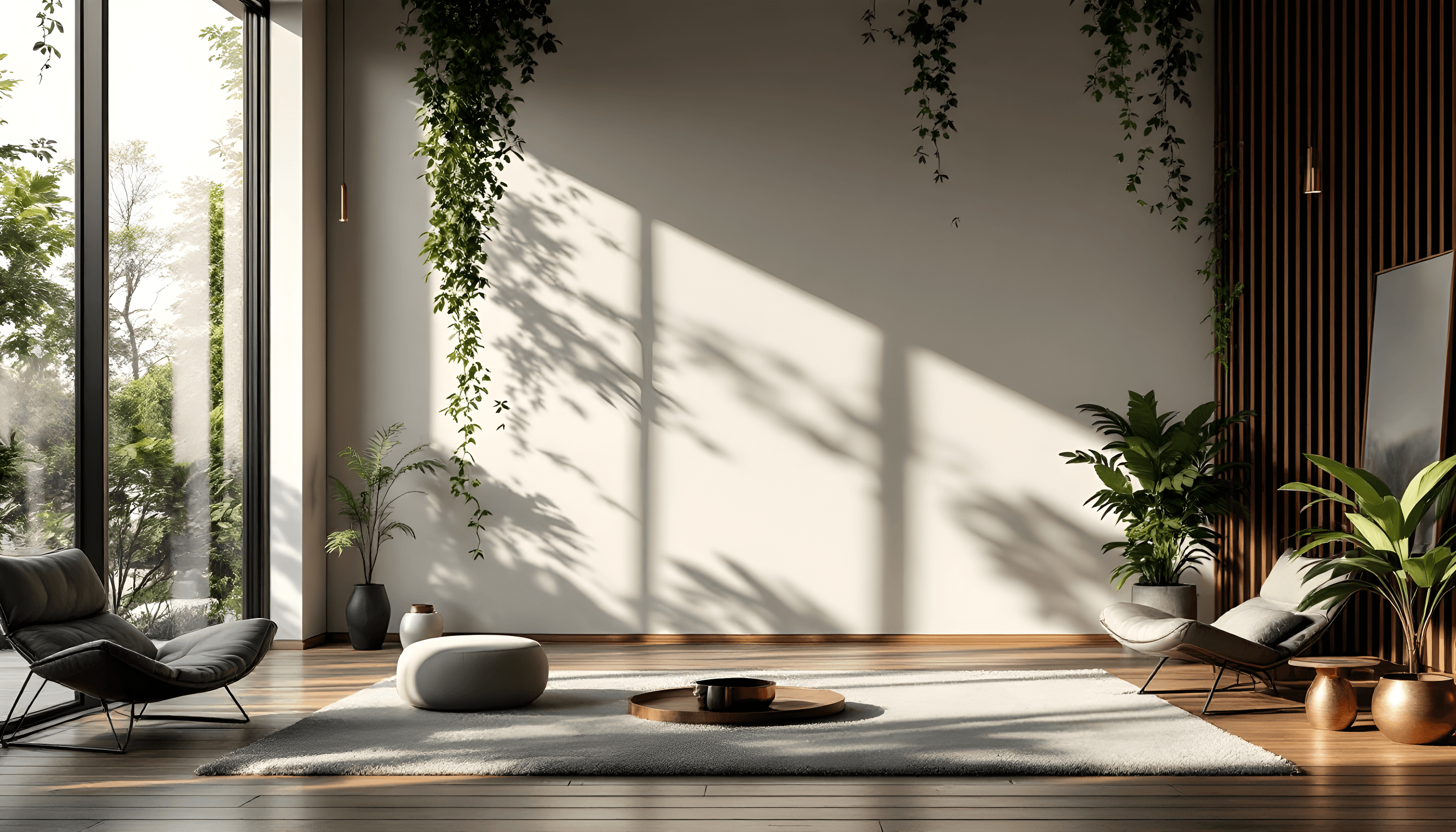
Light can confirm quality or expose chaos. That’s why it matters not only where daylight comes from, but also what it lands on: plaster texture, timber grain, stone mattness. Calm architecture doesn’t rely on tricks — it relies on materials that feel right in natural light and don’t overperform.
Touch, sound, daily ergonomics
Quiet is also tactile and acoustic. Footsteps sound different on stone than on wood. A well-set handle feels different than a light element that starts to annoy over time. These things may seem small, but they shape the quality of daily rituals.
Aging without embarrassment
Materials and details should age with dignity. An interior that needs fixing after two years becomes tiring. Good architecture anticipates time: timber gains patina, stone settles, metal develops character. That isn’t a flaw — it’s part of real life.
See other posts